
 View Range
 FIND A STOCKIST
The Best Pregnancy Shoes – Comfort & Support for Mums
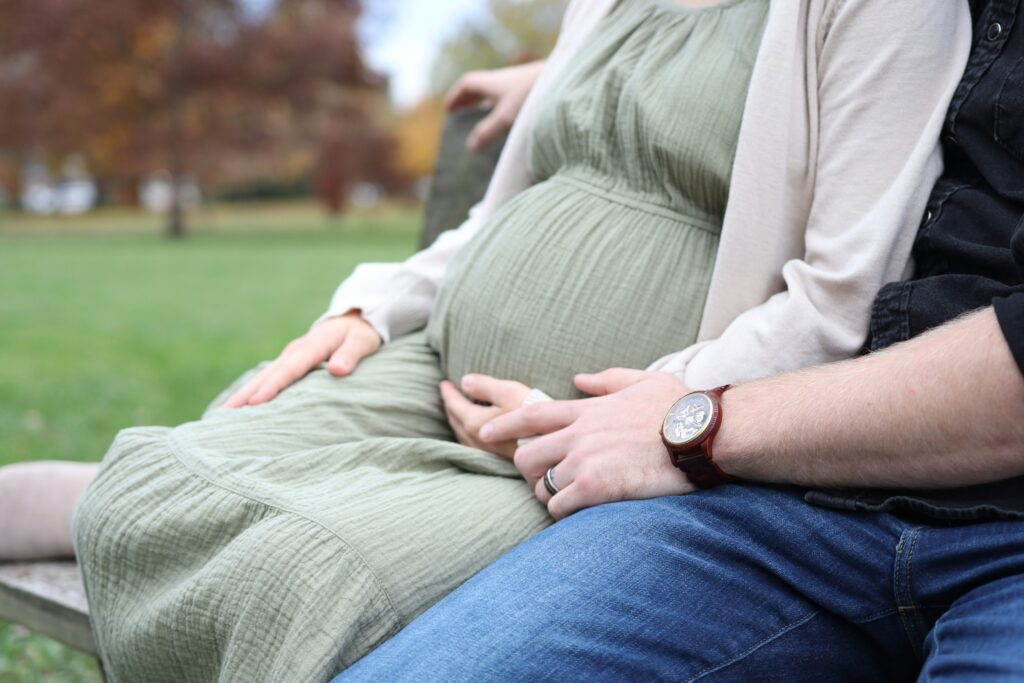
Puffy feet by mid-afternoon. Laces that require a strategy meeting with your bump. Shoes that fit three months ago now pinching across the forefoot.
Fluid retention causes swelling in your feet and ankles, worsening as the day goes on. Relaxin, the hormone that loosens ligaments for birth, also loosens the ones in your feet, making them flatten and spread. Add shifting weight and a new centre of gravity, and your usual shoes stop working. Cabello’s orthotic-friendly shoes, sneakers, and sandals are designed for exactly these kinds of long, real-life days.
TL;DR:
Pregnancy changes your feet through swelling, widening, and shifting balance. The best shoes offer a roomy toe box, supportive cushioning, easy-on closures, and adjustable fit. Soft leather uppers, removable innersoles, and wide-fit options make a real difference. If your size changes, hold off on permanent replacements until a few months postpartum.
Your pregnancy shoe checklist
- Supportive cushioning that holds up all day, not just the first hour.
- Wide toe box and soft uppers that forgive end-of-day swelling.
- Easy-on closures like slip-on, zip, or velcro, because bending becomes a genuine effort.
- Removable innersoles so you can swap in orthotics or add extra support.
Supportive shoes for walking and long days
Your body is carrying more weight than usual, and that load concentrates through your feet with every step. A cushioned footbed paired with a flexible sole absorbs pressure, taking the heaviness out of walking and standing. The difference between proper support and poor support shows up after the first hour or two, when fatigue sets in and your lower back starts to strain.
Dealing with swollen feet
Swelling builds through the day and is more pronounced in warmer weather or after long periods standing; shoes that fit perfectly in the morning can feel uncomfortably tight by afternoon, for example. Choosing shoes that accommodate this fluctuation, rather than fighting it, keeps fatigue from building.
Wide-fit sneakers with soft leather uppers work well here. Leather moulds to your foot shape and gives a little as your feet expand, unlike synthetic materials that hold rigid. Adjustable closures, whether a side zip, velcro strap, or elastic gusset, let you loosen the fit without removing your shoes.
Our picks for pregnancy:
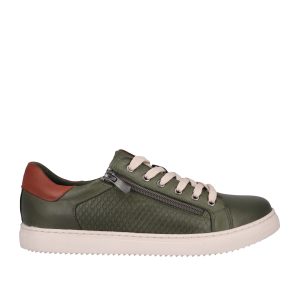 |
Ursa | Zip entry for hands-free access, cushioned footbed, removable innersole for orthotics, and soft leather upper that moulds to the feet for comfort that adapts over time. |
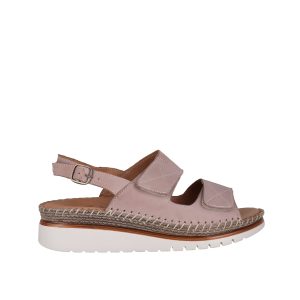 |
Dulcy | Adjustable velcro straps open up as feet swell, cushioned sole, lightweight build for warm-weather comfort and easy fit changes. |
Slip-on and slide styles that still support you
Late pregnancy and bending down don’t mix. A good slip-on solves the access problem without sacrificing structure; aspects like a secure heel, supportive footbed, and a non-slip sole means having access to movement that’s important for day to day function and safety. Steer clear of ultra-flat, flimsy styles for anything beyond the letterbox.
For cushioned slip-on options, browse Cabello’s slides and sandals for warm-weather days, or the slip-on shoes for a more structured everyday fit with all the ease of a hands-free entry.
Our picks for pregnancy:
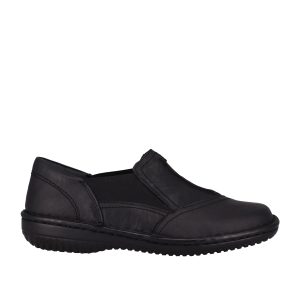 |
761-27 | Sandal design with elastic gusset, padded footbed, wide toe box, and non-slip outsole for secure grip all day. |
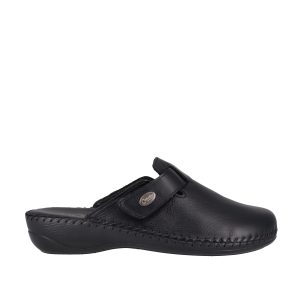 |
Como | Simple slide-on entry with a padded footbed, a broad crossover strap that sits comfortably across swollen feet, and a sturdy sole built for all-day wear. |
Can you go up a shoe size after pregnancy?
Yes. Swelling and ligament loosening can push you up half a size or more, and for some women the change is permanent. Choose adjustable, wide-friendly styles during pregnancy rather than buying multiple pairs in your pre-pregnancy size. Wait a few months after birth before investing in long-term wardrobe shoes.
Comfort now is a gift to future you
Pick one main pair that covers most days: supportive, easy-on, and roomy enough for swelling. Cabello shoes are built from soft leathers, supportive footbeds, and wide-fit practicality; find a stockist near you and try them on in person. Your feet today deserve shoes that actually fit them.
FAQ’s
What are the best shoes to wear in pregnancy?
Shoes that are supportive underfoot, roomy at the toes, and easy to get on and off. Cushioning that lasts all day, a non-slip sole, and removable innersoles for orthotics are the key features to prioritise.
What shoes are best for swollen feet during pregnancy?
Wide-fit options with soft uppers and adjustable fastenings. Try shoes on in the afternoon to avoid a pair that feels tight by evening.
Are slip-on shoes good for pregnancy?
They can be ideal, especially later on. Make sure they’re secure at the heel, have supportive cushioning, and offer decent grip.
Can you go up a shoe size after pregnancy?
Some women go up half a size or a full width, and the change can be permanent. Choose adjustable, supportive shoes while pregnant, then reassess a few months after birth.