
 View Range
 FIND A STOCKIST
Bunions and Shoes: What to Wear for Happy Feet
If bunions are making everyday shoes harder to wear, start with styles that give your toes proper breathing room. Cabello’s orthotic-friendly shoes and wide-fit options are a good place to begin your search.
TL;DR
- The best shoes for bunions have a wide, rounded toe box, soft uppers, a low heel, and enough depth to reduce pressure on the big toe joint.
- Look for shoes with removable innersoles so you can adjust the fit or swap in your own orthotics as needed.
- Your choice of shoes won’t reverse a bunion, but the right pair can make walking, working, and daily life far more comfortable than you’d expect.
Bunions can make even ‘normal’ shoes feel impossible
Bunions turn the simplest walk to your local corner-store into a drawn-out negotiation with your shoe collection, wondering which pair will keep from hurting your big toe the most. Walking the dog, getting through a shift at work, heading out for dinner: each activity becomes a question of which pair will cause the least rubbing.
For many women, the tradition in the footwear space has unfortunately been form over function, with the end result being a trade-off between comfort and something they’d actually want to put on their feet.
A bunion changes the shape of the front of your foot, which means how a shoe fits across the forefoot matters more than overall size; a shoe that slots too narrowly or too stiff over the big toe joint creates ongoing friction and pressure against the bone. A pair that fits well aims to reduce both of those problems by having wiggle room in the toe box, a more lenient material that allows for flex and stretch in the toes, and other factors that don’t need to appear like medical equipment to manage it.
Cabello’s comfort-focused women’s shoes are designed to feel good, while still looking polished enough for real life.
Why the Right Shoes Matter
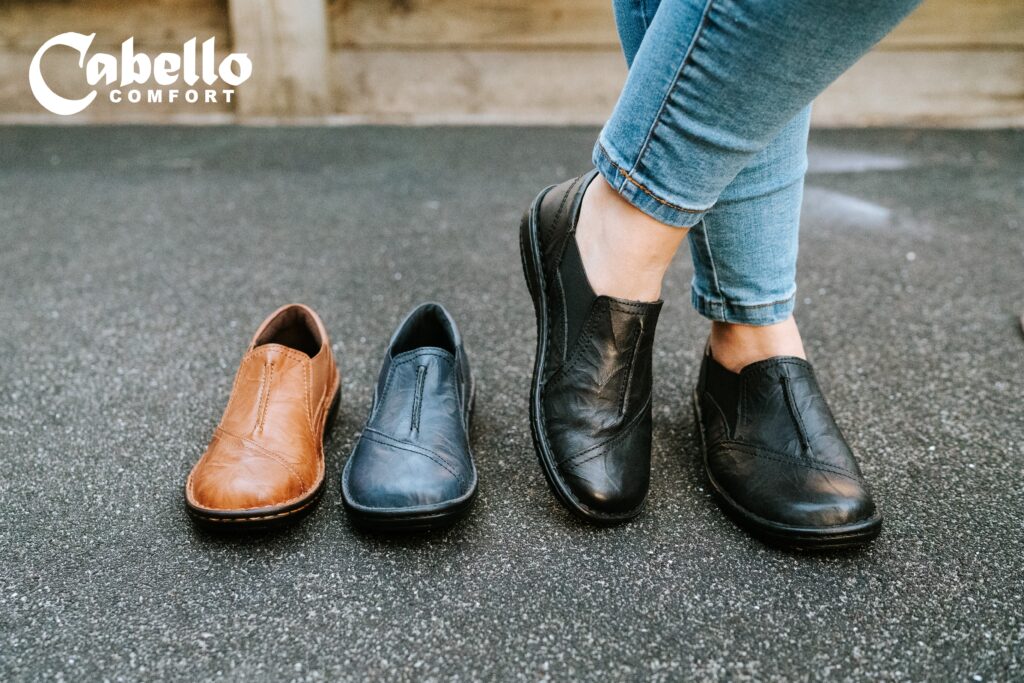
Bunions can be experienced differently from person to person, but tight or narrow shoes generally will tend to make them worse in a short amount of time. Sustained pressure over the big toe joint leads to rubbing, redness, and that familiar deep ache by the end of the day. Having a shoe that helps by reducing crowding at the front of the foot and keeping weight from being pushed forward onto the forefoot is the key to managing your symptoms.
Fundamentally, it’s important to clarify that improving your choice of shoe won’t necessarily cure a bunion, but they can genuinely improve walking confidence and how long you stay on your feet without building discomfort. The best shoe for a bunion is one that relieves pressure on the joint without making the rest of the foot work harder to compensate. If you also have flat feet, stability and support matter just as much as having enough forefoot room to be comfortable.
Key Features to Look For in Shoes for Bunions
A roomy, rounded toe box
The front of the shoe should give your toes enough space to sit naturally rather than tapering inward and crowding them together. Sizing up adds length to the shoe, but it doesn’t necessarily add width where you need it most across the forefoot.
Soft uppers that don’t fight your foot
Soft leather or other flexible materials sit much gentler over tender areas and reduce the kind of rubbing that builds up over long days on your feet.
Low heels or flat-but-supportive soles
High heels shift your body weight forward and load the forefoot with pressure that aggravates bunions quickly. But very flat and unsupportive shoes aren’t great either, particularly for women dealing with tired arches or flat feet alongside their bunion.
Adjustable fit
Laces, velcro straps, buckles, or zip access all help accommodate the swelling and shape changes your feet can go through across the day.
Removable innersoles and supportive underfoot feel
Removable innersoles let you swap in custom orthotics or create extra depth inside the shoe when you need it. Gentle cushioning underneath distributes pressure more evenly across the sole of your foot. Cabello’s orthotic-friendly range is built around this principle from the ground up.
Our Recommended Selections
If you’re wondering what to wear with bunions across different parts of your week, these Cabello styles prioritise the features that matter most: forefoot room, soft materials, adjustability, and a supportive underfoot feel that lasts all day.
| Product | Roomy Toe Box | Removable Insole | Heel Height | |
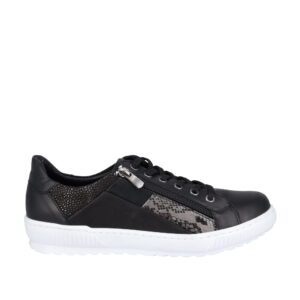 |
EG80XW | Extra-wide forefoot with generous toe room | Yes, orthotic-friendly | Low, cushioned thermo-sole |
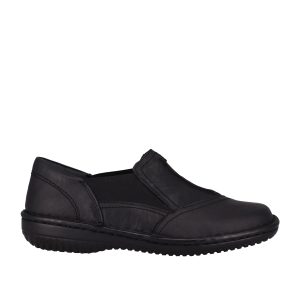 |
761-27 | Twin gussets at entry and flexible soles for relaxed fit | Yes, removable innersole | Low and stable |
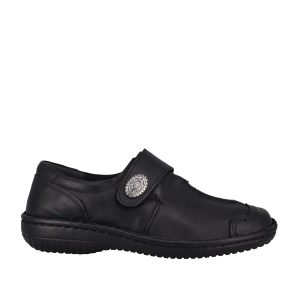 |
5072-27 | Spacious forefoot, soft leather upper | Yes, removable innersole | Low heel, supportive base |
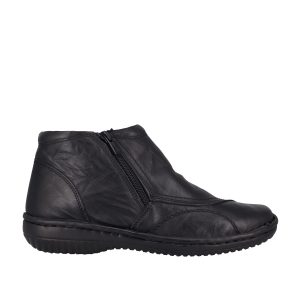 |
5250-27 | Ankle boot with square toebox and twin zip access | Yes, removable innersole | Low heel with PU sole for shock absorption |
The ‘best’ option really depends on whether your main issue is pressure, swelling, standing all day, or needing room for orthotics. Try shoes later in the afternoon if your feet tend to swell throughout the day. Want to try these in person? Use Cabello’s Find a Stockist tool to see what’s available near you.
Everyday Shoe Choices
Different days and activities call for different shoes, but the same core principles apply no matter what you’re doing.
- Casual days: Sneakers or soft leather lace-ups with proper toe room and a flexible upper work well for errands and weekend outings.
- Work days: Polished styles with a low heel, a stable base, and enough depth in the forefoot for all-day wear without soreness building up.
- Walking or light exercise: Prioritise cushioning and forefoot room alongside a secure fit so the foot isn’t sliding forward with each step.
- At home: Skip flimsy, cramped slippers and choose supportive indoor options that give your toes room to spread out naturally.
When Shoes Alone Aren’t Enough
Sometimes the shoe is only part of the fix, especially if the bunion is irritated, your foot is changing shape as you age, or flat feet are adding to the overall problem.
- Orthotics or supportive insoles can add structural support underneath the foot, particularly when flat feet contribute to ongoing discomfort.
- Bunion pads or protective sleeves help reduce the rubbing and friction that builds up over the sensitive joint during the day.
- Toe spacers may improve comfort for some women when used at home or worn inside roomy shoes that allow enough space.
Persistent pain, rapid changes in foot shape, numbness, or severe swelling should all be assessed by a podiatrist sooner rather than later.
It doesn’t help that bunions are a frequent co-occurrence with those who also suffer from flat feet, with the awkward stress on the edges of your foot motion being a prime proprietor of swelling and friction in the joint area.
We’re sympathetic to both ends of the spectrum, with footwear that accommodates for both arch support and toe crowding; for more on footwear that can help here, contact our team for more on the right pair for you.
FAQ’s
What shoes are recommended for bunions?
Shoes with a wide or rounded toe box, soft uppers, low heels, and supportive cushioning are all recommended for bunion comfort. Adjustable fastenings and removable innersoles help you fine-tune the fit across the day. Avoid narrow, pointed, or high-heeled styles that press directly on the big toe joint and create friction.
What is the number one cause of bunions?
Bunions usually develop from a combination of factors rather than one single cause you can point to. Inherited foot shape and the way your foot moves during walking are among the most common contributors. Tight, narrow shoes don’t always cause bunions on their own, but they can definitely worsen symptoms and make them more noticeable over time.
What do podiatrists recommend for bunions?
Podiatrists typically recommend roomier footwear, lower heels, pressure reduction strategies, and orthotics or insoles where appropriate for the individual. They may also suggest protective pads, toe spacers, strengthening exercises, or further assessment if pain is ongoing and affecting daily activities. Shoes are an important part of managing a bunion, but they won’t reverse the structural change itself.
Should I buy wide shoes if I have a bunion?
Often yes, but it’s not an automatic decision that suits every foot equally. The real goal is getting enough width and depth in the forefoot area, rather than choosing a shoe that ends up loose everywhere else. A well-shaped toe box that matches your foot’s contour can be more useful than simply going up a width across the board.